
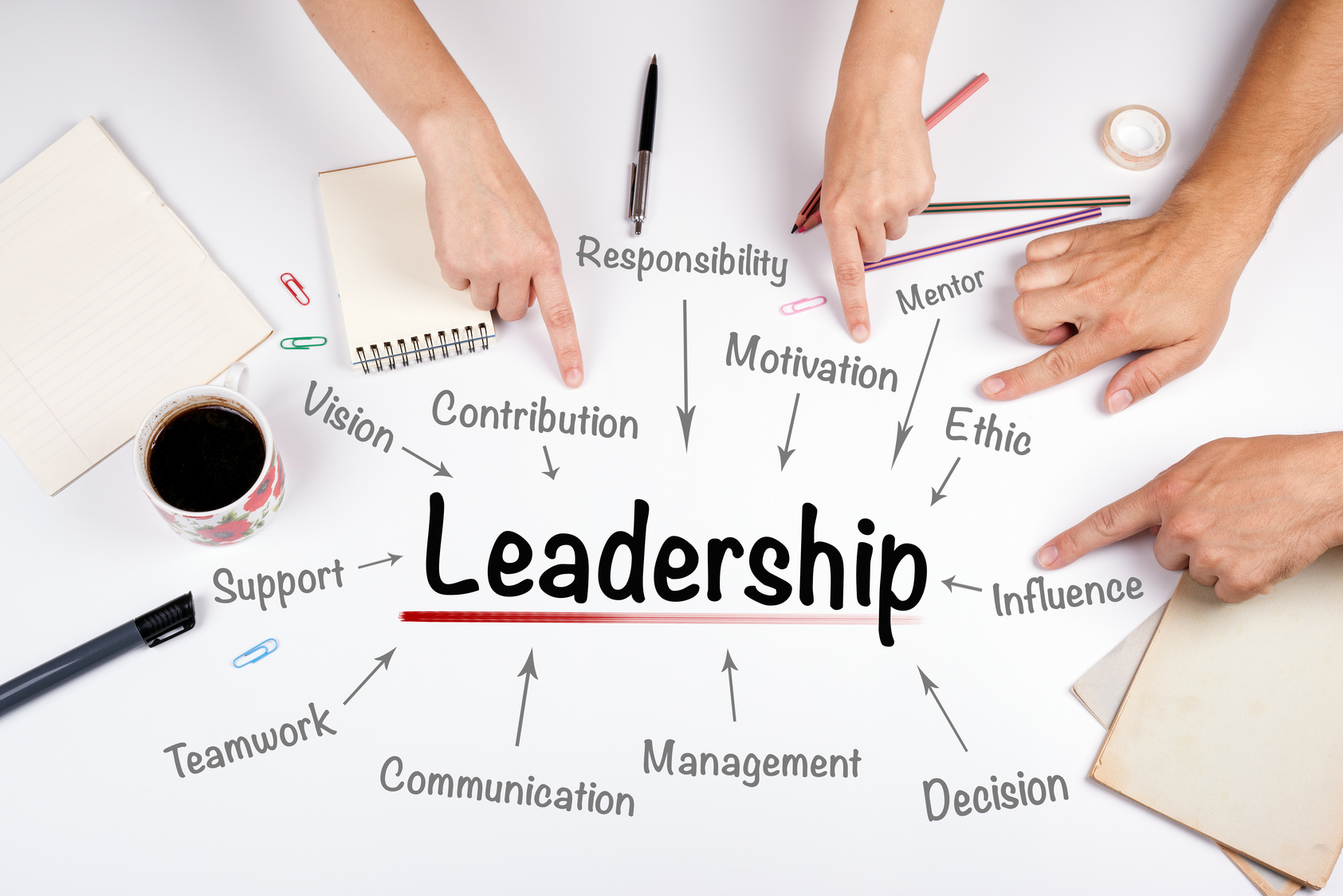
 How often have you acknowledged and even praised the qualities of a ‘good’ Leader? You may be one yourself. If so, you will recognise the following attributes.
Good Leaders lead by example, inspiring and motivating their Team with their words, actions and behaviours. They are team-oriented, proactively developing and empowering their staff. This collaborative leadership builds trust, fosters growth, and produces positive results. Integrity and organisational transparency are also characteristics of good leaders.
On the other hand, poor Leaders are bad communicators, lack accountability and have unrealistic vision. Without clear direction, focus, or purpose, they fail themselves and the Team. Poor Leaders make poor decisions, often blaming others for their mistakes. Micromanagement, inflexibility and favouritism are also features of poor leadership.
Example: Good Leadership
Belief, conviction and willingness to take risks are traits of good leadership demonstrated by Maile Carnegie, Managing Director, Google Australia. Anticipating, striving for change and development are key to this role, which she fills with enthusiasm. She is taking the initiative to drive Google forward into the future. The future she believes, is what you make of it and not simply accepting what might fall your way. With these qualities, Maile is considered one of the best bosses to work.
David Gonski acknowledged for his report on educational reform, is also one of Australia’s most prominent businessmen and philanthropists.
Humble, kind and a likable demeanour describe this man, traits not usually found in Business. His trademark is contributing with actions to benefit the community, a trait his employers respect him for.
Reshaping a Business. Microsoft's CEO, Satya Nadella, exemplifies transforming a work culture from a self-focused, inward, competitive environment to a team-collaborative approach. A focus on learning, empathy, and empowerment has led to greater success, with results that have positively impacted staff, the Business, and the wider industry.
Example: Poor Leadership
Same situation, but under poor leadership,
-
there is resistance to change.
-
adaptability and innovation are stifled, leaving the Business unable to respond to the rapid pace of technology advancements.
-
without leadership vision and direction, staff are left to fend for themselves, and teamwork is absent. Dissatisfaction and conflict arise, symptoms that poor leaders ignore or leave to fester.
-
lack of empathy, poor communication and time management are other features of poor leadership. Failing to understand or care for the needs of staff, vague or no instructions hamper performance. Without time management, tasks are rushed, or deadlines are missed. Overall, it is apathetic, negative leadership.
-
poor ineffective leadership is exemplified by a lack of accountability, a toxic workplace culture and sometimes dishonest and fraudulent practices.
In summary:
Good leaders lead by example. They have shared purpose and vision, proactively supporting, developing and empowering their Team. They demonstrate qualities of integrity and honesty.
Poor leaders lack the necessary skills and abilities to lead effectively. This leadership is punctuated by bad and often selfish decisions, with the resulting consequences negatively impacting the Business, investors and employees.
Watch out for our upcoming articles.
-
‘Strategies to Avoid Bad, Poor Leadership’
-
‘Developing Your Leadership Qualities'
 Your Accounting Partner
 Your Management Accounting Partner
 Your Expansion Engineer
 Your Special Projects Partner