
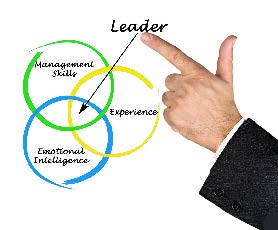
 Whether you already possess ‘natural’ leadership abilities, you can become a better leader by understanding and developing your skills and abilities. That's a fact!
But it takes a commitment to personal and professional development, building soft and hard skills over time. Back this with a willingness to learn, work hard, listen to and accept feedback, and you will grow from both training and experience.
This contrasts with the Leader who believes they are a ‘born leader’. They believe they have an innate ability to lead, confusing that with over-confidence, arrogance, or ego. Self importance and ‘right’ do not create or make the ‘best’ Leaders. They dismisss learning and development as not for them!
It's a fact also, that all Leaders, if they are to have authority, need to have respect, respect gained through demonstrating effective leadership.
Key qualities to develop:
- Communication – to be effective, be open, honest and transparent. Active listening is an essential skill in the art of communication.
- Self-awareness – know your abilities, strengths & weaknesses, develop and build on these.
- Integrity & Ethics – uphold strong values, demonstrate them and take responsibility for your actions. You will build respect, trust and loyalty.
-
Emotional intelligence – develop empathy, compassion and the ability to manage your own emotions and understand those of others.
-
Adaptability & Resilience – learn to be flexible to better respond to and navigate uncertain times. Embrace change; see it as an opportunity.
-
Sound Decision-making - develop critical thinking skills to help make sound, better informed decisions.
6 Simple Steps to developing these skills
-
Self-assessement & set personal goals: Begin by critiquing yourself, identifying and understanding your skills, qualities, strengths and weaknesses.
-
Next, set clear, measurable and achievable goals for your leadership development and pathway. Know where you are going, what it takes and how to get there. Monitor progress and adapt as needed.
-
Engage a Mentor: Co-op a Mentor or Coach who can offer support, advice and guidance on your leadership journey. Listen, and learn from experienced others, then apply yourself.
-
Embrace Continuous Learning: Jump in for any learning opportunities; on-the job, formal or informal, such as attending seminars, taking online programs and networking forums. All will expose you to leadership, current and new trends and techniques.
-
Seek Feedback: be open to asking for and receiving constructive feedback. This is vital to personal development, a crucial element of continuous learning and growth.
-
Practical Practice: actively seek leadership opportunities, whether in small or big steps that take you out of your comfort zone. This practice is a way to test and measure your skills and capabilities.
Takeaway:
All leaders need to be prepared to embrace continuous learning and self-improvement. Learn, develop and grow!
Watch for our next Topic: The Art of Leadership
 Your Accounting Partner
 Your Management Accounting Partner
 Your Expansion Engineer
 Your Special Projects Partner