



 At our last Staff Christmas Party, it looks like Cinderalla has lost her shoe!! Have you experienced a memorable Staff Party recently?
If you are an Employer as we embrace the fun festivities of Christmas celebrations are you ready, ready for what can be a very silly season for some.
8 Top Tips for Staff management during the ‘Silly' Season:
- Establish clear guidelines, codes of conduct, for what is acceptable and unacceptable behaviour in the workplace. Importantly ensure these are communicated directly to all employers so there is no misunderstanding or confusion about behaviour at both the workplace and work-related functions.
- HR Policies, Health & Safety. Now is a good to visit all your HR policies to ensure they are current. Update as needed and adopt and implement any gaps. For example, most of society are now engaged in social media activity that can come into the workplace. There needs to be a clear policy set around this.
- In advance, actively promote and communicate your HR policies to all employers, raising awareness of sick leave, drug and alcohol policies. Conduct Information sessions and refresher training courses.
- Social media policies need to be publicized. A reminder that ‘party-mood’ actions, comments, tweets and posts can be detrimental. What is thought funny by the ‘instigator’ may not be considered as such by those targeted. ‘Bad media’ can also reflect poorly on the organization.
- As an Employer support and join in the spirit of the Festive season. No-one likes a Christmas-gringe. Small things, such as decorations can add to the ‘spirit’.
- Lead by example. Set the standard with your own actions and behaviours. If organizing a function consider offering pre-paid taxi vouchers, have responsible drinking bar limits and adopt similar safety strategies.
- Understand not everyone celebrates Christmas and make sure those not joining in are not pressured by others to do so. Promote a workplace environment that is tolerant of all beliefs.
- Planning for leave. Support staff taking leave during this period as pre-organising can help with managing the workload and reduce ‘sickies’
Apply these simple strategies and you will help make this ‘silly’ season memorable for all the right reasons.
Read more...

‘Tis’ the Season to be jolly!’
And the chorus erupts, ‘fa, la, la ,la, la, la, la, la, la
And as we scamper to buy those last-minute presents, sort the lunch menu, check the table settings and ask who’s bringing the trifle,
behind the scenes are the less pleasant aspects of the ‘silly season’
Lurking are the scammers out shopping for their next victims! In our fast paced, digital world, fraudsters, hackers, and cybercriminals are active, ready to pounce on the unsuspecting.
Once again, we are being reminded to be alert to false communications. In private or work life, shopping, banking, Business activities, bookings, travel, nothing and no-one is out of scope for scammers!
The message is be wary!
Businesses are a target and need to protect their operations. Reports indicate there is a rise in remote access scam attempts where cybercriminals impersonate bank staff to gain access to systems. Scammers often claim to be from a bank's fraud unit, referring to an account compromise or similar, suggesting a need for urgency. You are prompted to provide important banking information. Respond and you’re scammed!
Others scams include:
- ‘Fake’ Online shopping sites - very popular during this festive season.
- Bulk email extortion – click, your parcel is ready to collect.
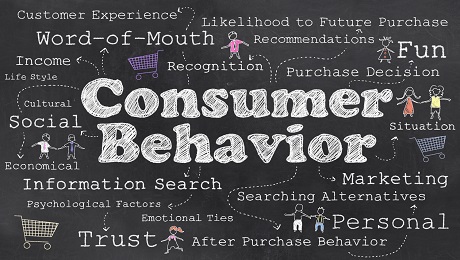
If you are a Small Business most likely you are experiencing a change in consumer behaviour as cost-of-living pressures impact their spending habits.
As an operator you can't afford to ignore or wait! Now is the time to think, act and adapt to the situation. Human behaviour is ever changing just as too is the marketplace.
Key to your Business survival is understanding those behaviours and developing agile Business strategies to make you fit for purpose, for now and the future!
It’s understanding the changes and finding ways to respond to have, get and keep market share.
Tick-box Tips for Businesses How to Respond Effectively:
- Enhance Customer Communication and Engagement
- Rethink Pricing Strategies and Offerings
- Provide Value-added Services & Benefits
- Develop Your Team
- Explore Collaboration's and Relationships
- Embrace Technology
Enhance Customer Communication and Engagement: Put a face to your Business, share your Company’s story, vision, personalise interactions, and take a social but professional approach in your communications. Be active in the social media space, show, tell and sell your Business, the web is your oyster.
Rethink Pricing Strategies and Offerings: Importantly be prepared to explore the various pricing strategies (Cost-plus pricing; Competitor based pricing and Value-based pricing) and adopt what approach best suits your Business and situation. Asking customers and staff for feedback shouldn’t be overlooked they are at the forefront of your service.
Read more...
In these uncertain times having strong foundations underpinning your Business has never been more critical. That is a certainty, successful Businesses, are established with strong building blocks of:
-
A Vision, Business Model, Plan & Strategies
-
Develop a Strong Team
-
Exceptional Customer Service
-
Effective Financial Management
-
Meeting Responsibilities and Obligations
-
Adaptability
-
Marketing
Business success, stability and security doesn’t happen by chance. It begins and thrives by laying down these foundations.
-
A Vision, Business Model, Plan & Strategies
Having a vision and making it happen comes with creating a comprehensive, well-thought Business Model. This needs a clear roadmap, a Plan with related strategies for the now and future, for growth and success. Elements include identifying its unique value proposition, niche market and targeting those customers to generate revenue and profitability.
-
Develop a Strong Team
Having the right Team is vital. A ‘winning’ Team shares and supports the Business vision and values to drive and deliver the best results. With everyone on the same page innovation, excellence and commitment are the norm. This fosters a positive work environment that attracts and retains ‘talent’ who are rewarded with appropriate renumeration, training and opportunity. Effective leadership will lead, motivate and guide both the Team and Business in achieving goals.
-
Exceptional Customer Service

You can’t escape the headlines, news reports coming in every hour, every minute!
If you are a small Business owner, it’s likely you are affected by these stories. Market forces, economic fluctuations, swings and roundabouts, ups and downs. 'The global economy is heading towards a year end with unexpected tailwinds! '
It is easy to be influenced, positively or negatively! You might find yourself nodding in agreement with such bold catchy statements. Do they resonate or relate to your situation. Yes or no, if you are one of the savvy operators you feel good knowing you have adopted sound, best practice strategies to help you weather any storms. Oh, what a great feeling that is! Create and share your own successes!
Did you catch these Headlines!
Small Business never had it so tough – a Perfect Storm of rising costs, including Industrial Relations issues, Labour shortages and the cost of doing business! Reported (9th October) ‘2100 small and medium Businesses surveyed said their top three concerns for 2024 were energy prices, wages and cybersecurity threats.
Household budgets are being squeezed. Small Businesses are facing the toughest trading environment in recent years as household budgets experience cost-of-living pressures. Discretionary spending is affected.
What’s Driving up Burger Prices! Even the humble Big Mac is affected by the cost-of-living crisis! With a smorgasbord of ingredients making up a Mac, including beef, special sauce, wages, Royalties and intellectual property, nothing is spared!
Consumer sentiment fell in September, as the pessimism that has dominated for over two years still showed no signs of lifting.
Come October, consumer confidence, potentially the confidence of your customers is up, according to Commsecs Market Analyst saying, ‘confidence has reached its highest level in two and half years since the Reserve Bank started hiking interest rates.’
Importantly, whatever your Industry or Business it’s critical to stay on top of operational activities and legislative responsibilities, such as meeting Taxation obligations, workers entitlements and all reporting requirements.
Equally important is having your Business affairs carefully managed. Keeping your ‘house’ in order is a must, including Tax matters, accounting and bookkeeping, along with having your cashflow flowing. Is your Business Plan current and your Marketing reaching existing and new markets!
Smart Businesses seek professional services. Blackburn Accounting is well placed providing a range of services, including cashflow management, assisting with strategic planning and helping develop your Business capacity for growth and expansion.
Don’t wait, contact us today to discuss your Business Accounting needs.
Phone: +61 8 6454 5831, email
 Say Strategy, and many things come to mind! Chess games and team sports are right up there. Simply put, a strategy is a well-developed, high-level plan designed to achieve specific goals or desired outcomes.
A Marketing Strategy states the Business vision, goals and objectives and sets out your long-term marketing approach.
Let’s get started!
How to Develop a Marketing Strategy that Works!
It doesn’t have to be complex or complicated. There are practices you can follow to help your marketing efforts be effective. Leave behind the problem of marketing that’s not working!
A Marketing Strategy that works outlines the why and what. Why you are in Business and what you want to achieve. It aligns your business goals with the specific needs of your target audience. It marries the two!
A 7 Step Marketing Strategy:
-
Define your Ideal Target audience: identify and understand your key audience. Develop personal profiles covering purchasing triggers, demographics, and pain points. Check location and other relevant info, such as shopping habits.
Read more...

You started a small Business, a dream come true! Despite struggles, challenges and setbacks you realise that you are now running a successful enterprise. With growth came staffing, a team, who are guided by your vision, and values. Congratulations!
And by now you have realized that running a Business requires more than just a great idea, it requires leadership, your leadership and often management skills, particularly if you are a small Business operator.
And this is where leadership and management come into play.
Most small Business need Leaders and Managers and it's likely you are wearing many hats, including as owner, Proprietor, and more! This is where the distinction between leadership and management can arise. Not everyone is both, but there are ways to create a productive and positive workplace, developing a healthy culture that will deliver excellent results for everyone.
In essence, management and leadership complement each other, but they have different functions: Both are important.
- Leaders encourage and inspire employees to achieve the goals of a business.
- Managers manage employees and activities to achieve these goals.
The key to success in small Business, applying effective leadership and management is to understand there are different styles and skills needed to achieve the best outcomes, for you, your Business and Team. It's recognising the qualities and practices of successful Leaders and Managers and how those strategies can be implemented.
Here are our 9 Strategies to get your best results
- Lead by example – Set the standard with your words, behaviour and actions and earn your employees respect.
- Positive Workplace culture - create a positive culture based on transparency, honesty and fairness.
 Say ‘strategy and tactics’, and it conjures various images! Board games, Team Sports, personal development, life and more!
It’s about creating structured, goal-oriented approaches to achieving desired outcomes!
Welcome to Marketing Strategy and Tactics. No matter if you are a small Business operator or a conglomerate, you will know that every Business needs a Marketing Plan, strategy and tactics to achieve its goals, Business success!
For small Business the foundation of any effective marketing strategy begins with knowing your audience and crafting a message that speaks directly to them.
Let’s unpack that.
A Marketing Plan clearly outlines a Business's advertising and promotional efforts and acts as a guide to engage target customers and achieve specific Business goals. It details the budget, strategies, marketing mix, and tactics to be adopted for a given time.
Strategy is where you want to go, and the overall plan and guiding principle. It’s the what, why and where and focusing your efforts to achieve your goals!
Tactics are the ‘how’ you will get there! And you will through specific, real actions, tools and tasks adopted to implement your strategy.
Key areas for application include,
-
Business Strategy and Growth. Strategy: improve customer satisfaction to grow retention rates.
-
Tactics: provide relevant staff training, implement a customer feedback system, and act on responses.
Read more...

Standing out for all the right reasons is critical in today’s competitive and challenging Business environment. With consumer confidence up and down, discretionary spending reduced along with a list of trading challenges, having market share and more share is a must. Gaining a winning edge is vital to Business success.
But how to get that edge?
There are ways!
Get started with these 7 Winning Strategies!
1. Understanding the Importance of Differentiation in Business
To begin, ask yourself, define what sets your Business apart from your competitors. What’s your Business signature, style and distinguishing features? Look at me, choose me! What makes you, your Business product or service stand out from the rest.
Consider these 3 areas of competitive differentiation:
- Cost – providing goods/services at the lowest prices
- Differentiate with offerings of superior quality, service or features
- Niche Specialization – provide offerings tailored to a specific market
Blackburn Accounting differentiates with:
- Guarantees a response by the next working day
- Personalised service
- Focus on results
- Family Business Specialists
- Tailored Service Packages
2. Identifying Your Unique Strengths and Value Proposition
Next,
- develop your unique selling proposition, value proposition and brand identity. Communicate why buyers should choose your services or goods, what makes it superior to others.
- define, know, your Business strengths by undertaking an analysis, including identifying core competencies, customer perceptions and bestselling products.
- critically, your Team must be onboard and in tune, singing from the same song sheet!
3. Develop Innovative Strategies to Stand Out from Competitors
- Be creative, develop marketing strategies that help you stand out from your competitors (messaging, products and service).
- It's about blending creativity with analytical insights to effectively engage your audience.
- Key is communicating your value proposition to your target audience. Showcase your top wares and support with strong benefits arguments. Think of this as a roadmap to guide and connect with your customers.

Read on for our 7 Top Tips to help you take ‘good’ care of your Cashflow!
Cashflow, the lifeline of your Business, keeping it flowing is critical if you are to succeed, more importantly, survive during these inflationary times, with cost-of-living pressures and higher interest rates eating into profits and for some, viability.
If you are a small Business you may be already feeling this pain.
For example, a recent survey found cashflow problems are already affecting two in five small Businesses, with $23,000 owed in unpaid invoices. Additionally, they often relied on personal funds as backup.
Are you one of those Businesses?
On that note, Small Businesses are being alerted to the need to stay on top of their Business ‘cashflow’ activities, specifically, debt management, your own and that of your Debtors. Key message, to carefully manage what’s coming in and going out!
Its been said many times, running a Business, managing finances is challenging but don’t leave it to chance, or wishful thinking.
Read our 7 Top Tips to help you take 'good' care of your Cashflow:
- Avoid overdue payments
Slow and late payments pose the greatest risk to small Business. In a tight economy, as we are now experiencing, keeping on top of invoicing and receivables is the difference in debt levels, what you are owed.
Tip: It’s essential to have a streamlined collection model in place, ideally one that prompts and collects payments rather than chasing them as overdue.
For example, electronic systems can monitor receipts and overdue accounts allowing you to better manage and avoid late payments. These invoicing and billing systems can also generate accounts at point of sale and offer various payment methods, including upfront deposits or advances. Remember you are running a Business that supports you financially.
An example, where you must outlay for goods, invoice clients prior to making an order rather than tapping into your finances (example, interior decorating).
- Pricing margins
It’s vital to monitor pricing/ profit, margins particularly in the current inflationary cycle. It’s critical to have true-cost pricing, you can’t keep absorbing increases, letting your profit margins be eaten away. Be diligent in keeping watch on this cycle.
Tip: Regularly check the cost of goods and products and determine realistic profit margins by setting prices not too low or too high. Pricing points are needed to keep you competitive and in the red. Offer value for money and your customers will keep coming back!
Read more...
Recruiting staff has never been more challenging and on the other side of the pandemic smart small Businesses are doing it smarter by adopting a more strategic approach to this task. Rather than ad-hoc and piecemeal, the process is now more refined and organised. This framework has developed shaping the strategies for attracting and recruiting the best talent.
Recruitment Strategies for small Business include:
- Social media opportunities: Post on all platforms. Facebook, Instagram, LinkedIn, these are the super highways of communication. Put the word out you are hiring, looking for the ‘right’ people to join and help build your successful enterprise.
- Sell your Brand & Culture: in all mediums, promote, show and tell what your Business is all about. Be the messenger, the story teller sharing the values, vision and what makes it great place to work in. Your job descriptions should reflect this professional and positive culture, making it attractive to applicants.
 But a busy time for others!
With summer fast approaching, if you are a Business operator now is the time to prepare your Business!
Warmer weather, earlier sunrises and lifted spirits after winter, people, consumers, your potential customers are out and about. Get on the front foot and be geared-up, ready for this activity.
Prepare your Business with a spring-summer clean!
A refreshed website, a slick of paint, new signage are all worthy improvements. But more than just a feather duster, take this time to assess and evaluate what’s working and what’s not. Check your resources, is your Business positioned to embrace the opportunities and meet the challenges? Focus on holiday marketing, customer engagement, operational readiness and financial preparedness.
8 Tips to Get Your Business Ready
-
Get your stock in order – Check inventory levels and product lines. What are customers looking for during this season? Adapt, tailor products and services accordingly. Check supply lines and delivery. Ideally, have a backup for these.
-
Financial Management - check your Books – strengthen Cash flow to cover additional pressures and proactively manage by invoicing early to counter potential slowdown in January. Ensure your payment systems are reliable and ready for increased digital activity. Be vigilant, protect against scams with strong security measures. Scammers target the holiday season.
-
Staffing & Operations – recruiting, training, and holiday leave. Plan ahead and have backup. Negotiate rosters, time on and time off to cover peak times. Foster team spirit to get the best results for all. Remember to acknowledge and reward effort and a job well done. Lead by example.
 You could say these two ingredients are instrumental to Business success. They complement the other strategies and sound business sense that make a Business succeed while others flounder or fail.
It's captured in detail. According to Western Australia's Small Business Development Corporation (SBDC), WA's small Business sector is generating a record $87.2 billion in annual activity.
- SBDC says new research shows small Businesses account for 97.3% of all Businesses in WA, employ more than 540,000 people and generate 35% of all private sector jobs.
- Five years ago, small businesses contributed around $50 billion to our economy, and today it's $87 billion. This growth reflects the ambition, optimism and hard work of many Western Australians who backed themselves, created jobs and invested in their communities.
Are you one of those operators playing such a vital role in our economy and continued prosperity?
If you answered yes, and if I asked the question, did optimism and opportunity play a part, along with overcoming adversity, facing challenges, and the highs and lows, I am sure you would answer with a Big yes.
On that note, you may concur with the following findings or have contributed to them as part of the recent Australian Chamber of Commerce and Industry (ACCI) Small Business Conditions survey.
Read more...
The Federal election has heralded some new policy directions that Business operators, SMEs, advisors and high-net-worth families need to note and understand.
Tax reform: this topic, despite much political discourse, seems to be a long-term debate rather than offering any immediate changes. Issues also, such as tackling state taxes, GST, or the complex system, are conversations that remain in the background. For now, it’s Business as usual. Businesses should take advantage of any already scheduled tax cuts and meet compliance with existing obligations.
Superannuation: The re-elected Government is moving ahead with its plan to increase taxes on large super balances. The reform is not yet law, but the proposed legislation will take effect from July 1, 2025. If passed earnings on individual super fund balances above $3mil will attract a higher tax rate. Effectively 30%, up from the standard 15% in accumulation phase. Watch this space!
For most Australians superannuation policies and fundamentals remain the same and continue to provide generous tax benefits.
Support for SMEs (small and medium sized Business) hasn’t been overlooked.
-
Energy bill rebates: From July 1, eligible small Businesses are set to receive a $150 rebate as part of a wider cost of living relief package.
-
Battery installation subsidy: a 30% subsidy on battery installation systems will be available to help Businesses improve sustainability and manage electricity bills.
-
Excise freeze: From August 2025, draft beer excise will be frozen supporting small brewers and hospitality Businesses.
Read more...
 In 2026, smart Businesses will adopt a blend of ‘same old’ foundational business sense with a ‘something new’ technological advancement and strategic thinking. It’s avoiding sticking to the same and stagnating while not chasing something new without a solid foundation. To coin a phrase, it’s simply not throwing the baby out with the bathwater!
Same old is keeping what’s working well. What are your best sellers, the most popular products and services that bring customers back and attract new ones? It’s identifying what marketing strategies are hitting the mark and making a difference to your bottom line.
Something new is being open to change, innovation, and flexibility. Being aware of industry trends, market fluctuations and customer expectations and responding to them.
‘Same old’ fundamentals. These are the core business principles and values that remain vital for stability, growth, and continued success.
-
Understanding your Customer: Knowing and understanding your niche market and target audience and directing your efforts towards them is better value than a mass-market approach. You are building a strong customer relationship that will reward you with loyalty and sales.
-
Building Strong Teams: Training and investing in current staff can be more cost-effective than constantly hiring new ones and starting over. Investment also fosters loyalty. Skilled, strong, bonded teams pull together with resulting productivity gains.
-
Solving Real Problems: Smart operators deal with real problems by investigating the root cause, the issue driving the symptoms. This can vary from dealing with technical problems to providing tangible solutions to customer needs.
-
Good Governance: Clear, transparent, accountable systems, policies and practices have and always will be at the heart of any successful Business. Stakeholders, investors and customers want to know that those running an organisation are trustworthy, honest, and of integrity.
Something new: Small Business must leverage new tools and embrace change to stay competitive.
Read more... You think you have the best idea since sliced bread! And we know how that went! A huge success!
So how does your idea, product or service stack up? Your concept may be brilliant, and without bursting your bubble or balloon, have you given it the test of planning, potential, and success possibility?
Ask yourself, is it commercially viable in terms of consumer demand and cost? What’s trending, what's happening in your specific industry, and the economy?
Starting a Business, it takes stamina, strategy, the right legal structure and a sound financial footing. Let’s tease out those thoughts in the following steps.
Step 1: Planning & Preparation
-
Market research, concept/ idea validation- do your homework! Research, investigate and understand your market, competitors, and customers to confirm demand for your service or product. Find your niche to maximise effort and opportunity. Explore what’s happening in the local and global markets and economy that may impact or affect your product.
-
Develop a Business Plan – this is your formal document, detailing your goals, strategies, financials and marketing. It serves as a roadmap to guide and attract finance, investors, and is a vital tool for internal direction, growth, and success. It includes the Business mission, vision, spelling out how the business will operate, achieve objectives, and manage finances.
-
Skills needed – It takes more than a good idea, hard work and passion, but all those are critical! Running a Business requires skills in marketing, finance, problem-solving, people and operations management. As needed, get help and advisors to put and start you on a strong footing.
Read more...
If you identify with this, you are always on the ready!
Ready to take risk, be creative, innovative, and flexible. You are assertive, pro-active, anticipating change, embracing it, and taking advantage of every opportunity. This puts you in control and a dominant position over your competitors.
Business examples in practice.
A Business on the front foot might launch a new product to capture market share before its competitors react or boost sales growth. Menu innovation is an example where a leading restaurant, to support its global rollout and deliver sales improvement in 2026 has launched new menu items. Be tempted with a Caesar Burrito or Cali Burrito!
Another example is range innovation to drive sales for a major infant retailer. This approach has delivered early signs of revival by posting a leap in half-year profit. Along with exclusive branded products these are key drivers for launches in the coming second half of trade.
A rideshare Company, in a bid to ‘win the west’ has revealed it has signed a marketing deal with a prominent Eagle footballer. This promotion is to capitalize on the Eagles supporter base and belief that everyone in WA loves or hates the Eagles, so either way it’s a captive audience. This innovative move is aimed at taking on its opposition and to increase the Company’s share of the Perth market. Discounted rides and a pool of prizes are part of the promotion.
Read more...
Recognise Your Tipping Point and Take Action before it’s Too Late!
Read on for our 5 Action Strategies!
Tipping Point, Breaking Point or Boiling Point, terms most likely you have heard. Described by Cambridge Business English Dictionary as, ‘a time during an activity or process when an important decision has to be made or when a situation changes completely’.
This Tipping Point once reached can be the difference between success or failure. To go forward or stop! There is a reaction. One that takes you onto bigger or better things or is the opposite, the equilibrium unbalance causing you, the scales to topple over into a downslide or stagnation.
For Small Business: What does it Mean in Reality?
If you are a Small Business struggling with the current inflationary pressures you may be reaching your tipping point. For example, how to respond to spiraling costs of supplies, wages and overheads. At what point do you tip over the edge. Customers are becoming thriftier and more selective in their shopping habits, while still chasing value and quality.
In seeking solutions do you increase your prices and at what point will you tip the balance and lose customers. Alternatively, keep absorbing the costs, reducing and losing your profitability until closure.
Example:
Cafe 1, cup coffee $6 increases to $8 a 33% increase.
Cafe 2, same cup $6 increases to $6.50 (16% increase), with gradual increases over two rises. i.e.incremental increases to reach the tipping point.
Alternatively, a lump sum increase can the tip point and lose customers.
What is your breaking point?
What to do!
Take action by understanding what a Tipping Point is and how to identify it.
A Tipping point is the turning point at which a product, brand, or company becomes either highly successful or faces failure. The ‘scales’ will topple or tip over to positively or negatively! With the latter, reaching a Tipping point at which damage is irreversible or accelerating.
Better to see and heed the warning signs!
- Profit margins reducing
- Cashflow challenges
- Sales turndown
- Customer complaints
- Supply issues
5 Action Strategies:
- Identify the problem. Gather all relevant information. Avoid putting it off.
- Bring your Team together. Put the issue on the ‘table’ to brainstorm problems and seek solutions.
- Reach out to your Customers. Be upfront, connecting with honest and open communication. Don't apologise.
- Engage a Business professional advisor if needed.
- Speak with Blackburn Accounting let us help you get on top of your Business matters
Read more...
 When the topic of branding comes up, you may think it is something only for the ‘big’ players in Business.
But that is a misconception. Branding, its benefits and scope have no boundaries.
Small Businesses can compete successfully by understanding the basic principles, what it’s all about and adopting some simple strategies. Make it work for you and your Business!
Simply put, branding is how a Business shapes its reputation and identity in the minds of its customers. It’s an active process of creating a unique name and image that is easy to recognise as different from others. It combines core values, visual elements, and customer experiences so that consumers can easily recognise and trust what it offers.
In a nutshell;
-
Identity
-
Perception
-
Consistency
-
Trust
-
Customer experience
For small Businesses,
Read more... 7 Strategies and Tips to help You and your Business Achieve Success!
What does it take?
Ask a successful small Business owner and no matter the decade or era, sentiments expressed include; hard-work, commitment, having a dream, belief, giving good ‘old-fashioned’ customer service, a little good luck, careful financial management and stamina!
And throw in being open to change and the unexpected!
Sounds daunting! But don't give up!
Whether you are starting out or are already established there are sound Business practices and strategies that if adopted provide direction for success.
First, it’s important to define what success means to you, how it looks and means to achieve it. High profits, supporting local communities, going viral, or social impact, whatever the measure or motive there are some common Strategies & Tips to achieving Business success. Here are 7!
-
Have a Clear Vision – identify, know what your Business is. What do you and your Business stand for, what do you want to achieve, deliver. Your purpose, message!
Tip: Be true to your mission, have belief, passion and commitment. Picture Blue Sky but avoid having your head in the clouds!
-
Develop a Solid Business Plan - This is crucial, as the foundation of your Business and your guide. Create goals, short and long term with KPIs, along with financial projections. Monitor and measure progress.
Tip: Reassess your goals and adjust if needed. Scrutiny of KPIs is imperative to identify results and underperformance.
-
Embrace Digital – Technology and Business automation is key to growing your Business. It's staying agile and scalable, from cloud computing to smart Business tools like project management software. There is a range of digital solutions to help small Businesses, by improving efficiencies and cutting unnecessary costs to enhance profit margins.
Tip: Key to leveraging technology solutions is to determine what tech aid can benefit your Business operations.
Read more... Your Accounting Partner
 Your Management Accounting Partner
 Your Expansion Engineer
 Your Special Projects Partner
 What is the state of our economy?
  From 1 October, 2026, Businesses can no longer add a surcharge for payment using Visa cards, Mastercard, American Express and EFTPOS cards.