




Have you given up on the notion of New Year's Resolutions, they don’t work or even thinking about it, it's all too hard!
Or are you one of the many who believe in the power of making a fresh start?
The savvy are already making plans for their New Year New Beginnings with aspirations expressing hopes and promises to make changes for a better you and a better year.
If you want tot get onboard there are simple steps you can take and strategies you can adopt to achieve the outcomes you want!
Read on for our 7 Top Tips
So what's it all about!
Described by Wiki as ‘A New Year's resolution is a tradition, most common in the Western World but also found in the Eastern World, in which a person resolves to continue good practices, change an undesired trait or behaviour, accomplish a personal goal, or otherwise improve their behaviour at the beginning of a calendar year.’
With that in mind are you feeling a little sheepish about last year's declarations, those profound proposed changes that didn’t come to fruition? The ever popular lose weight, exercise more and be a better me! But I won't be dismissive as some readers will have accomplished such goals and more.
New Year, New Beginnings, let's take a different approach to this subject.
Consider, Making a fresh start! Making this your best year ever!
Read more...
Although not announced as part of this year’s Federal Budget, it’s important for employers to note that the superannuation guarantee (SG) rate will increase from the current 10.5% to 11% on 1 July 2023.
Employers will need to remember to update your payroll system to comply with this increase. The new SG rate applies to payments made to workers on or after 1 July 2023.
Super guarantee percentage
PERIOD GENERAL SUPER GUARANTEE (%)
|
1 July 2022 – 30 June 2023 |
10.5% |
|
1 July 2023 – 30 June 2024 |
11% |
|
1 July 2024 – 30 June 2025 |
11.5% |
|
1 July 2025 – 30 June 2026 |
12% |
- Details can be found on the Australian Taxation Office website.
- Contact Blackburn Accounting if you need help or advice with this or other accounting matters.
Read more...

Are you feeling foggy headed, not from Christmas cheer overindulgence but from debt acquired during your Christmas shopping frenzy.
Santa has left, the decorations are down, and the Christmas tree is carefully stored away but the debt isn’t. Debt, it’s hanging about giving you a horrific headache.
You are beginning to feel the strain and struggle of financial stress and understanding the bleak impact it is having on your life. It's daunting!
What to do! Who to turn to?
Keep reading
We have compiled our 8 Best Tips to help cure your financial woes.
Read more...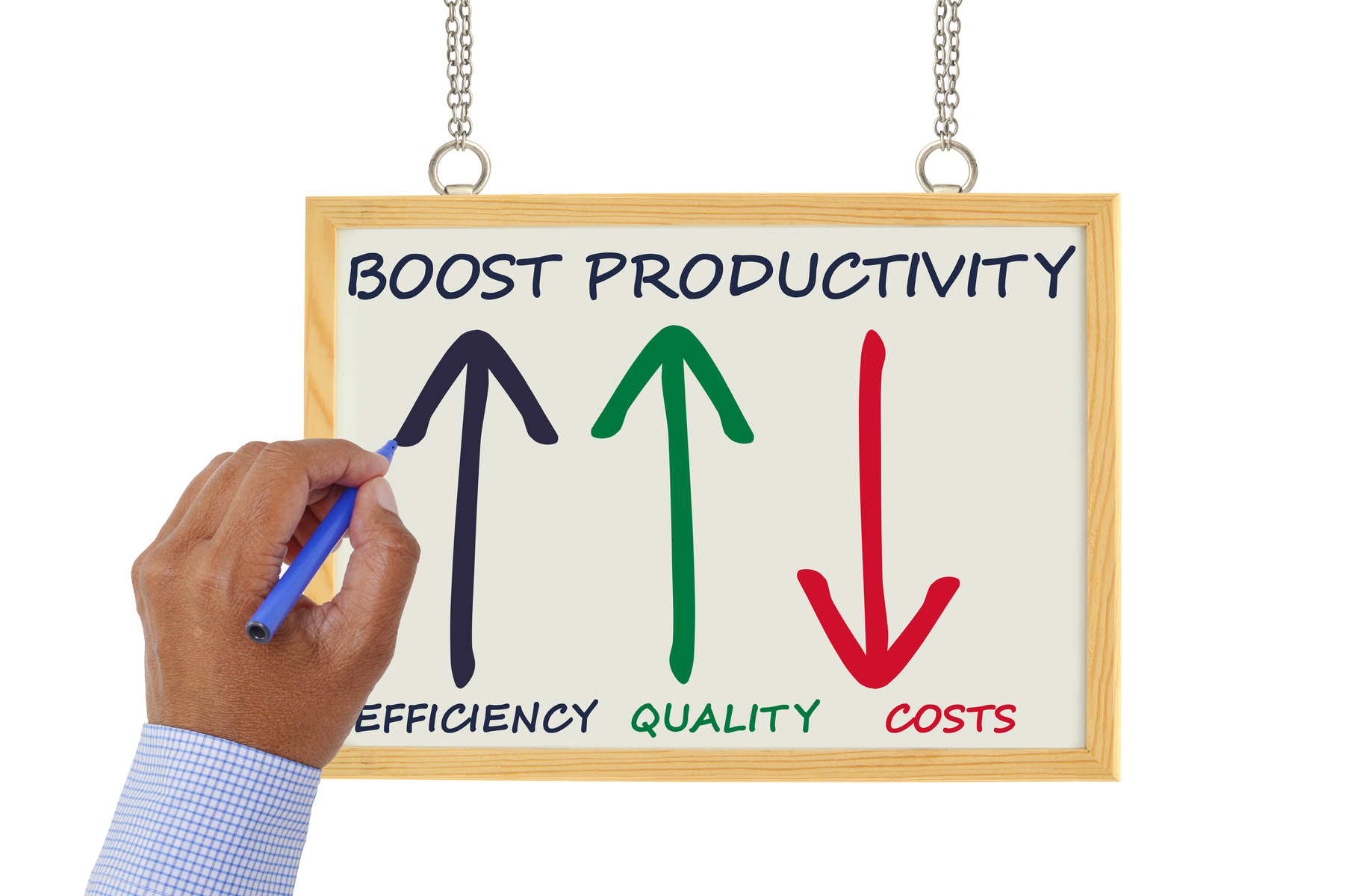 Productivity performance, or lack of, is the challenge facing us, our economy and quality of life.
Australia, according to the ABS reports while there was a 0.2% increase in GDP for the March quarter with a 1.3% increase on a year-to-year basis, indicates a slower pace of growth. Of concern, as highlighted by the Productivity Commission, is labour productivity. Labour productivity since the COVID pandemic has stagnated and in some sectors has seen a decline.
Lets investigate! What are the problems! What are the solutions?
To find answers, a roundtable meeting is planned to bring leaders together. In the words of Prime Minister Albanese, living standards will be central to discussions, ‘how to tackle stagnating productivity and propel Australia into a stronger future.’
At the grass-roots level, what does Productivity performance and challenges look like for SME’s Businesses? More importantly, what are the answers to overcome these challenges?
You may have experienced these.
Workplace Productivity challenges include:
-
Employee disengagement
-
Poor communication
-
Time management is lacking
-
Inadequate training
-
Overwork and burnout
-
Technology barriers
-
Inefficient processes & systems
-
Regulation barriers
What supports Productivity?
-
Improved Task & Time Management
-
Staff satisfaction
-
Workforce skilling, training & recognition
-
Technological advances
-
Government initiatives
7 Strategies & Solutions to Tackle Productivity Problems
Read more...
It's a fact, that Australia’s economy was built on the passion and productivity of small Business, from the traditional ‘family-run’ corner shops, pubs, cottage industries, farming and more.
With its unique features, the ability to adapt, along with flexibility, creativity and innovation and some risk-taking Small Businesses' have contributed to the economic health and wealth of our society.
In essence, Small Business has been an essential part and backbone of our nation providing a critical source of employment and economic growth that has served us well. And continues to do so!
With recent calls from Federal Treasurer Dr Jim Chalmers for improvement in productivity what better time to consider your Business’s productivity performance and potential for growth?
What is P for Productivity! What Does it Mean and Why is it Important for Your Business
Productivity in business is a measure of economic performance that compares the amount of goods and services produced (output) with the amount of ingredients (inputs) used to produce those items. Simply put, ‘the measure of production efficiency’!
Why is Productivity Important?
It is important to us all, as workers and consumers, Business owners and Government policymakers as it shapes our economy’s welfare and ability to support generations now and in the future. At a national level it captures an economy's ability to harness its physical and human resources to generate output and income.
- Productivity means how much you produce by the number of employees or hours worked.
- Productivity growth is described as the process by which people get more, (greater profits & higher wages) from less (less effort, fewer resources, fewer hours at work), overtime.
Many factors affect productivity growth, such as; technological improvements, economies of scale and scope, workforce skills, management practices, changes in other inputs (such as capital), the stage of the business cycle and competitive pressures.
Productivity in Small Business can make it or if lacking can break it!
Being more productive helps grow your Business because it increases profitability, and who doesn’t want the benefits that provides.
6 Tips to Increase Productivity in the Workplace:
- Create a Culture of Productivity
- Aim for Achievement

Yes!
READ on for 6 Ways to Avoid Toppling over the pricing Edge!
As we face the mountain of inflation and rapidly rising price increases no one is immune. Business is grappling with supply, wage and production costs that in turn are passed onto their customers.
Some Small Business many may be facing their Pricing Tipping Point!
But what to do to avoid toppling over the edge!
Your most valued asset is your customers and clients. Without them, there are no sales and no revenue. Simply raising prices if used as a blunt instrument can be damaging and harm customer relationships. No Business wants disgruntled unhappy customers! or to lose them.
Keep reading, there are pricing solutions.
Smart Businesses see an opportunity to develop new customer relationships that acknowledge price pain points while still preserving margins. This approach is the art and science of pricing management.
6 Tipping Point Pricing Solutions:
- Communicate honestly with your Customers: Be upfront and open about price changes, and why they are needed. Clear and transparent communication is vital and will help mitigate any backlash. Most will understand and appreciate you are running a business.
- Deliver Excellent Service, Value and Quality for Money: Ensure you deliver on all of these. Focus on customer satisfaction and provide a shopping experience that brings them back for more. Back this up with customer surveys to know what your customers really want and need or would like!
- Creative Pricing policy: One price size doesn’t fit all! Take the time and effort to explore the science of pricing and develop your pricing strategy accordingly. For example, price changes tailored to product segments or items. Customers will react differently to price increases depending on how price sensitive they are. In simple terms, adjust price based on customers willingness to pay on product differentiation.
- Monitor the Market: keep abreast of your competition and their pricing and marketing strategies. In the world of ECommerce shoppers are just a click away from a range of best deals and offers. Know what’s going on to be in the game.

The Great Debate!
From articles circulated and conversations overheard, opinion has it that both scenarios, the Office or Working from Home, have their positive and negative aspects! Most likely you have expressed your thoughts, whether as a Small Business owner or employee or both!
But isn't the answer simply, ‘finding the RIGHT balance for optimal productivity in any work environment’?
YES!
Don't wait, act now! Smart Businesses tailor their approaches to suit the needs of employees and provide ongoing support to get the best results and outcomes for all parties.
In essence, where there is the opportunity, the solution lies in offering various working models, Office, Home or Hybrid arrangements.
But let’s take a closer look and examine the question considering the arguments, the pros and cons of both positions.
The Advantages of Working in an Office Environment:
- Provides the opportunity for Teamwork, collaboration and social connection and the benefits found as part of the office culture.
- Fosters increased productivity by providing peer support, and face to face interaction that allows for better communication and problem-solving.
- Greater overall career development and growth opportunities in this setting
The Benefits of Working from Home for Increased Productivity:
- The advantages include providing personalised workspace, flexibility in routines, and reduced stress with efficiency gains in time and travel avoiding long commutes.
- This model is particularly suited to the self-motivated, highly organized and disciplined worker.
- There was increased productivity in occupations that required a high degree of focusedor independent work such as software engineers.
The Challenges of Maintaining Productivity in the Office Situation:
Read more...
The Great Debate!
From articles circulated and conversations overheard, opinion has it that both scenarios, the Office or Working from Home, have their positive and negative aspects! Most likely you have expressed your thoughts, whether as a Small Business owner or employee or both!
But isn't the answer simply, ‘finding the RIGHT balance for optimal productivity in any work environment’?
YES!
Don't wait, act now! Smart Businesses tailor their approaches to suit the needs of employees and provide ongoing support to get the best results and outcomes for all parties.
In essence, where there is the opportunity, the solution lies in offering various working models, Office, Home or Hybrid arrangements.
But let’s take a closer look and examine the question considering the arguments, the pros and cons of both positions.
The Advantages of Working in an Office Environment:
- Provides the opportunity for Teamwork, collaboration and social connection and the benefits found as part of the office culture.
- Fosters increased productivity by providing peer support, and face to face interaction that allows for better communication and problem-solving.
- Greater overall career development and growth opportunities in this setting
The Benefits of Working from Home for Increased Productivity:
- The advantages include providing personalised workspace, flexibility in routines, and reduced stress with efficiency gains in time and travel avoiding long commutes.
- This model is particularly suited to the self-motivated, highly organized and disciplined worker.
- There was increased productivity in occupations that required a high degree of focused or independent work such as software engineers.
The Challenges of Maintaining Productivity in the Office Situation:
- Office distractions include the unrelenting ‘chatterbox’, unnecessary meetings and interruptions, along with office politics and conflicts, all affecting productivity and output.
- But all these ‘issues’ can be addressed by developing and implementing counter strategies.
The Struggles and Solutions for Staying Focused when Working from Home:
- Struggles include unplanned, unrelated distractions and interruptions affecting attention to the task, along with a lack of suitable ‘office’ tools, equipment and resources that can hamper both output and work satisfaction.
- Additionally, feelings of disconnection, isolation and loneliness, being away from the office hub can emerge, affecting focus and concentration.
- To lessen these impacts research suggests the solution lies in having skilled Managers. Those prepared to listen, act and support their employees to achieve better results and outcomes for all concerned.
6 Top Tips for Maximising Productivity in all Settings, Office and Home, Remote arrangements:
- Engage with your Team, Employees to design and adopt effective communication strategies

Managers, leaders, staff, we are all included! We can always find ways to improve productivity!
Did you know, results show that outstanding work productivity comes from a Business culture that empowers its employees to find and develop their own style to achieve maximum performance.
Makes sense that smart Businesses support methods encouraging best practice and habits to improve individual and Team output. Everyone’s a winner, greater satisfaction, better outcomes!!
Read on to find our 6 Tips on ‘how to increase and generate the highest return on work productivity’!
- Create a Culture of Productivity
This begins by cultivating the best possible environment to support it. Features include:
- Lead by example with your work practices
- Reliability and accountability are essential
- Have healthy boundaries around deliverables and deadlines
- Have a balanced daily routine
- Be organized. Review your calendar weekly
- Daily, check tasks progress, completed, unfinished and reschedule as needed
- Avoid distractions
- Stay focused
- Aim for Achievement
- By setting goals and targets with measurable milestones
- Track your time, effort and output
- Unravel the result in terms of ‘value’, importance to the Business and personal goals
- Purpose and passion are key to personal growth and success
- Revise Business practices
- Revise, refine practices if needed
- Choose the appropriate means of communication to suit the situation, text, call, email, meeting Read more...

Leaders and Managers do you see yourself in the following!
Are you a good Leader?
A good leader has integrity, courage, respect, compassion and resilience, qualities they display, earning trust and loyalty. They communicate the vision and positively influence others. Learning agility is a strength.
Check these Leaders Traits and Characteristics:
- Leading by example- earning the respect of others by your actions, reliability and honesty
- Enthusiasm – displaying positive energy, interest, motivational
- Self-awareness – knowing and understanding your own strengths and weaknesses
- Decisiveness – ability to make decisions quickly if needed
- Avoids micromanaging – steps aside, has trust and empowering staff
- Open minded - to new ideas, knowledge and continuous improvement
- Fairness – treating all fairly, without discrimination or favouritism
Being an Effective Manager:
Read more... Proverb: the fastest doesn't always win the race, nor does being the loudest voice in the room necessarily mean respected authority!
Have you experienced this loudest voice? The Leader who never stops talking, has an opinion and controls every conversation, dominating the meeting agenda. This showmanship is tedious, tiresome, and boring.
Enter the ‘quiet’ Leader. This Leader leads without fanfare or fuss, doesn't have to control every discussion or speak the loudest to be heard or followed. Respect is gained by quiet reserve, not the focus, bellowing instructions, and hogging the conversation.
As modern workplaces become more fast-paced, challenging and complex, the Quiet Leader is finding their place providing reflective and thoughtful leadership. Leadership is not about how often someone speaks; a key strength is knowing when not to speak!
Is this you?
6 Key Characteristics, Traits and Attributes of a Quiet Leader
-
Leading by example: Authenticity, demonstrating values through presence, and action, acting as a stabilising force rather than the centre of attention. They signal authority before speaking through non-verbal communication, and subtle cues that communicate composure and authority without dominating the room or conversation.
Read more...

to review, rethink and revise without regret! And rejoice in your achievements!
Where has the year gone! Most likely something you have exclaimed at this time of the year.
And followed by critically asking, what have I done, accomplished, and achieved or not!
Don't stop there, take the time, without regret, to reflect. There are benefits!
It takes courage but reflection is a great opportunity to learn, grow and set new goals for going forward. Simply put, reflecting, auditing, planning and preparing based on the past year will set you up to find and enjoy fulfilment and success in the coming year.
Reflection is looking back to learn from past experiences, to review without regret, celebrating, preparing and going forward.
7 Questions of Reflection
Ask and be honest with your answers:
- What is my best memory of the year
- How would I describe the year
- What were my highs and lows. Achievements and unmet challenges
- What worked, what didn’t

This time last year we covered the burning issues of cost-living-pressures, high inflation and consumer confidence!
12 months on, here we are still battling and countering the effects of price increases that are impacting our lives. Discretionary spending now is the way forward for many. This habit is reflected in a recent headline, 'cost of living bites down on West Australians' with comments 'the community is broadly attempting to rein in spending, or at least choosing where to spend their money' (West Newspaper). Yes, whether consumers or small Business operators, no one can escape these pressures.
What's changed?
The good news is our inflation has been coming down, a sign that tighter financial conditions have dampened upward pressure. But be aware of the Reserve Bank's position, announcing it is ready to act as needed. Increase or decrease, it's a wait and see, a situation keeping many on edge. Not so happy are mortgage holders arguing they are still hurting by the increased interest rates and struggling with everyday expenses.
For others, although household budgets are under pressure, and some travel plans are on hold, many are still willing to enjoy their treats, taking staycations, Gym memberships, grabbing that morning takeaway coffee and dining out. Smashed avocado is still on the menu! and entertainment, live concerts are also popular. The summer holiday break and new years resolutions seen as driving this spending.
This trend supports the more resilient industries, hospitality, beauty and fitness. These Business in return provide employment opportunities for a mostly casual workforce, with many of these taking on more than one job to ease household pressures. This now described as the 'poly-employment' trend.
Other good news!
Read more...
Rituals have been part of civilization for thousands of years with social rituals providing emotional comfort and belonging, group cohesion and to practice solidarity. Simply said, they shape and bind a society together.
This evolves by combining a sequence of 'ritual' activities involving words, gestures, actions and sometimes revered objects. Their purpose is varied and can include strengthening social bonds, supporting the emotional needs of followers or fulfilment of religious ideals or obligations.
Rituals do matter!
They influence our behaviours playing a part in our everyday lives, by providing purpose, direction and connection.
Just think about it! Most of us are creatures of habits, with regular rituals. For some, its a morning coffee and reading the paper, while others, such as sport stars, have rituals, routines and habits on game day to help them prepare. Births, Weddings, Funerals, Festivals and seasonal ceremonies are examples of social rituals we observe. 
It's no different in the Workplace there are existing rituals but there is the scope to create new ones!
- A workplace is described as a community of people working towards a common goal, and like other communities uses rituals to help build rapport, stay aligned, and improve motivation.
- Workplace rituals designed to increase employee engagement when followed by the team have the power to influence and positively impact outcomes. Rituals boost company culture as they make employees feel more connected to their colleagues and the organization.
What are Workplace Rituals and Why do they Matter – The Benefits!
Workplace rituals include:
- gatherings, like Team Meetings
- award presentations
- Leadership Workshops
- birthday milestones
- ‘set’ Staff Friday lunch dates
Rituals matter because they can:
- shape, define and build company culture
- help during times of change and uncertainty
- boost focus and increase creativity
- help recognise your Team
- motivate and unite Teams to excel
- provide opportunities to come together
The Benefits:
- allow us to network
- interact with our peers
- share experiences
- build connections and relationships.
- to be part of and engage in a special occasion.
- foster organisational positive behaviours and citizenship
Rituals have the power to positively impact the Workplace by:
Read more...
In your way, there they are Roadblocks, barriers and obstructions, holding you back, stopping you from achieving the success you and your Business deserve!
You may be feeling such obstacles are insurmountable and too difficult to deal with. You are daunted, overwhelmed and even exhausted trying to find answers!
But don’t give up, there are strategies you can adopt to overcome them. You can achieve the success you deserve!
READ on, to learn how you can bypass Roadblocks to achieve your Business Success.
Let’s get started by looking at some possible Roadblocks
- Cashflow challenges
- Under utilising resources
- Lack of confidence
- No Marketing Plan
- Poor Customer Service
- Time
Are these familiar to you?
Yes! Check these 6 Tips 'how to get around them'.
1. Cashflow Challenges:
A barrier for many small Businesses, you find you are robbing Peter to pay Paul, and with no Financial Plan or Strategy you are operating on the edge. Stressful and often nail-biting times.
To overcome this barrier
Simply put, ‘good supplier and customer management will ensure you have a consistent flow of money coming in from sales to be able to pay your bills’. And don’t we all want that?
There are ‘9 Ways to Help get your Cash Flow flowing’! Click on the link......... https://blackburnaccounting.com.au/blog.
2. Under utilising Resources:
This can be both human resources and equipment that are available but not fully utilised or employed efficiently to maximum capacity and capability. Employees lacking training, or without empowerment are wasted resources. Equipment may be in need of upgrade or repair. In this situation, productivity is compromised.
To remove this obstacle
Read more...
What are Routines and How Can They Benefit You
Routines are a sequence of actions that we do repeatedly. A series of activities performed regularly at a particular time, in a particular way.
Simply, a routine is a set of activities, actions and behaviours when implemented help shape, balance and maintain our lifestyle.
Examples are everyday activities, such as brushing our teeth, doing a daily morning run, or following office procedures.
A routine can be repeated as frequently as needed, daily, monthly, with the aim of helping us be more productive, organized and focused.
A daily work routine is a set of behaviours and actions aimed at accomplishing tasks in the most efficient way when undertaken regularly. The weekly shopping, taking the dog for a daily walk, or monthly Team Reporting Meeting, it’s about getting things done in an orderly and efficient way!
The Benefits of Effective Routines include:
- providing structure in our daily activities that can help in reducing stress, lack of concentration and anxiety.
- can help in times of uncertainty and unpredictability by giving us direction and meaning.
- helps reduce the need to plan on a daily basis by taking the guesswork out of what is needed to be done. Read more...

Something we have all heard, said or hoped for!
Running a Business like Clockwork, when the ‘business operates without problems or delays, or happens regularly.’ To manage, run something efficiently, in a reliable matter.’ You could say the ‘cogs’, the wheels and the functions of the Business are well-oiled, finely tuned and operating and running smoothly. Like a quality clock or watch!
Let's begin by asking the burning question! How well is your Business operating?
When we examine this, there are many moving parts that make up a Business. We need to be aware of all elements of your Business, like cogs that make up a watch or clock.
- How well is your Business operating?
- What cogs function well?
- What others need work?
The Key to Success is to design your Business to run itself! …..like Clockwork!
When your Business runs like clockwork it will flourish and grow, and so will you!
Impossible! It’s POSSIBLE, READ on.....
Start by tracking how your Business currently runs. Identify all the functions and actions, activities and decisions you and your Team make. What are the systems and processes? Simply put, find out what makes your Business run, ‘tick’ and chime! or breakdown!
Next, Read our 4 Tips to get your Business running smoothly like Clockwork.
- Plan for Success 2. Optimise Systems 3. Invest in Staff 4. Set the Standard
Are you a small Business owner? What strategies and tactics have you implemented to gain market share, retain customers and boost sales?
Consider these 10 Key Elements When Preparing Your Marketing Plan.
-
Clearly define your brand message and story. This is the why behind your Business. This sets you apart and builds trust. Use your story to create an emotional connection with your core audience.
-
Know, define what your Business stands for. What do you offer that others don’t? What tone, what voice fits your brand? All your messaging should reflect this voice and image.
-
Identify your ideal customer. Then it’s understanding their needs, wants and expectations and designing your service and products to meet those.
Read more...
 The evolving landscape of family Businesses was recently revealed in an Australian Family Business report, highlighting succession planning and generational differences as key matters.
It highlighted delayed transition into leadership with both generations concerned about each other’s readiness for the changeover, along with mindset differences across generations.
Mindset shifts translate as priorities differing across generations, with incumbents focused on risks and operations, while the rising generation emphasises family dynamics. The next generation is keen to lead and take up the challenges.
Additionally, Technology and AI are major factors reshaping decision-making and operations. Incumbents can be cautious while the future younger generation openly embraces change.
Are you a Family Business?
Do you relate to these insights and findings? If so, how well-placed and prepared are you for succession, leadership transition and plans that support long-term growth?
Somewhat, not at all, feeling overwhelmed and unsure how to get started!
This leads to the importance and necessity for proactive Succession Planning.
Why is it so Important?
-
It Protects Business Value
-
Supports Business Continuity
Read more...

Unlocking Success – How to Get the Best Results for Your Business
And don’t we all want that!
If you’re not achieving the results you want our BBB is a must attend!
- Learn How to build a Better Business, YOUR Business
- Learn Strategies, Techniques and Tips to make your Business the success it and you deserve!
Take action today for a successful future, your future!
Session dates – ‘Setting the Stage for Success’
Wednesday 1st November 2023
5.30pm to 7.30pm
Venue 931 Albany Hwy East Victoria Park
Tuesday 7th November 2023
5.30pm to 7.30pm
Venue 931 Albany Hwy East Victoria Park
Friday 17th November 2023
9.30am to 11.30am Perth WA
ONLINE Zoom
Here is what you will learn from the Session:
- Understand the crucial elements to Realise a Better Business
- Identify the key roadblocks that are holding you back
- Develop clear direction and how to do it
1 day Workshop – ‘Unlocking Success – How to Get the Best Results for Your Business’
Friday 8th December 2023
10am to 3pm
Venue 931 Albany Hwy East Victoria Park
Here is what you will learn from the Workshop:
- Crafting a solid Business Strategy that drives results
- Defining target audience and tailoring your offerings to meet their needs
- Implementing effective Marketing Strategies to reach and engage Customers
- Engage in activities and receive valuable related material
To book your place, Click our link
https://workshop.blackburnaccounting.com.au/
Read more...
 Your Accounting Partner
 Your Management Accounting Partner
 Your Expansion Engineer
 Your Special Projects Partner
 What is the state of our economy?
  From 1 October, 2026, Businesses can no longer add a surcharge for payment using Visa cards, Mastercard, American Express and EFTPOS cards.